When we observe thriving cities, resilient institutions, or enduring global networks, we often mistake their current maturity for a sudden master plan. In reality, the most resilient systems were built by leaders who mastered what Otto Scharmer calls operating from the emerging future.
Consider the evolution of Cairo's urban and economic spine, from Fustat in 641 AD through the Fatimid and Mamluk eras. The founders didn't attempt to build a modern megacity overnight. Instead, they practiced the core stages of Theory U:
- Co-Sensing: Observing the unique geographic crossroads of the Nile, trade routes, and local topography.
- Presencing: Letting go of rigid blueprints from past capitals and sensing what the region needed to become a center for global commerce and learning.
- Prototyping in Action: Building modular nodes, first an administrative center, then commercial caravanserais (Khans), followed by specialized markets and educational complexes (Madrasas).
Each era added an incremental layer. The physical structures evolved, adapted, or shifted, but the underlying system, a node connecting East and West, remained uninterrupted for over a millennium.
Systemic impact is iterative
Systemic impact creation is rarely about forcing a rigid 50-year plan on a changing environment. It is about sensing the direction of the future, setting up living prototypes today, and allowing disciplined, incremental iteration to scale that impact over time.
Real legacy isn't building a static monument; it's igniting a living system that keeps adapting long after you're gone.
Regardless of our agreements or disagreements on specific historical eras or figures, history remains a rich orchard of insights, offering timeless lessons on how human intent and structured effort shape the world.
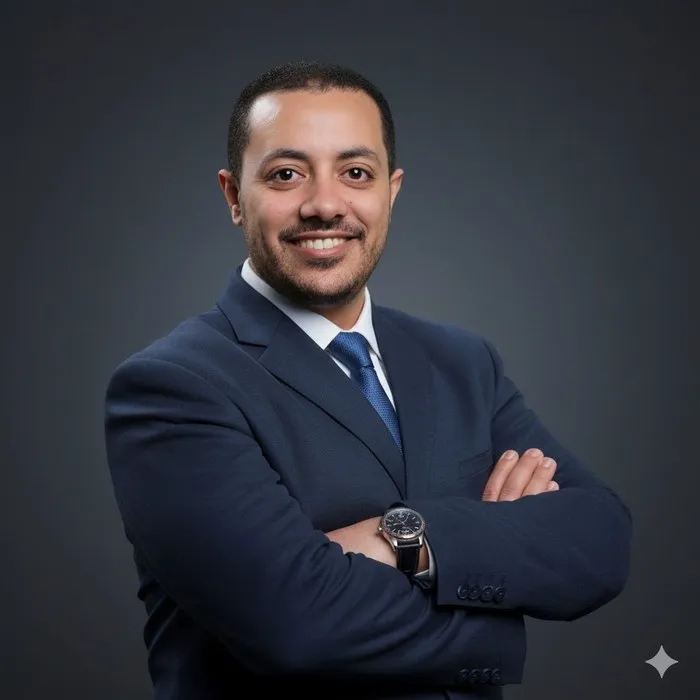
Dr. Ahmed Bastawy is the founder of ICEALEX, a Board Member of AfriLabs (North Africa) and a Professor of Practice at ESLSCA and AASTMT. He builds innovation ecosystems across Egypt and Africa.